
My influences
I recently had lunch with an old workmate, who said he’d just realised he was one handshake away from Bertold Brecht, and two from Stanislavski and Chekhov. In my turn, I’m one away from each of those titans of educational drama: Dorothy Heathcote, Caryl Jenner, and Rose Bruford.
This section is about their influence and that of others, who have informed my thinking about creative education. Potted biographies are from Wikipedia. The six people below are among many theorists, practitioners, colleagues, and students who have helped me form my professional world view.

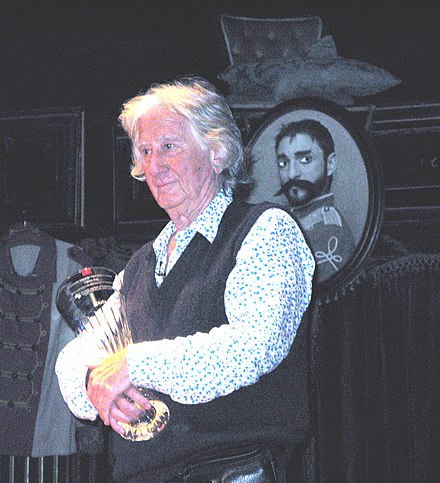
Augusto Boal
In Theatre of the Oppressed Boal develops a theatrical method based on Pedagogy of the Oppressed, a book by the Brazilian educator and writer Paulo Freire (who was also a good friend of Boal).[9]
Boal’s method (which has been implemented in various communities around the world) seeks to transform audiences into active participants in the theatrical experience. Boal argues that traditional theatre is oppressive since spectators usually do not get a chance to express themselves and that a collaboration between both parties, in contrast, allows spectators to perform actions that are socially liberating. The method, as Boal liked to explain, seeks to transform spectators into “spect-actors”.
He did a great interview with Amy Goodman from Democracy Now in 2007 in which he quickly outlines his credo:
https://youtu.be/Hl_n8-Mrx8w?si=Sqm_V7hBwcIQkZbu
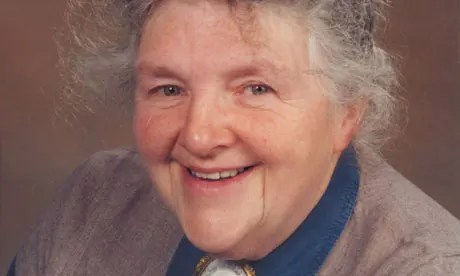
Dorothy Heathcote
She was a highly accomplished teacher of theatre and drama for learning and amongst her many achievements she defined and developed “mantle of the expert” as an approach to teaching. The book she wrote with Gavin Bolton, that explains her Mantle of the expert approach to education, is Drama for Learning (1994). The most significant previous book that explains her approach was written by Betty Jane Wagner and was entitled Dorothy Heathcote: Drama as a Learning Medium.
My personal link is through David Coxon, one of my tutors at Bedford College of Education, who was a passionate exponent of educational drama.
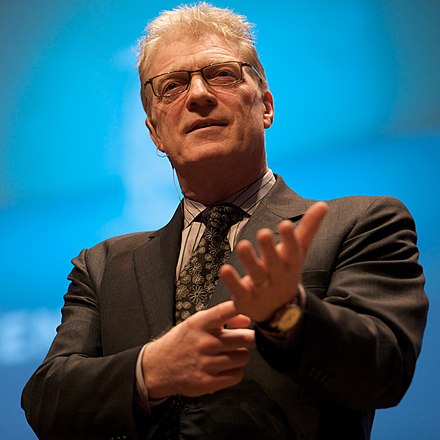
Sir Ken Robinson
Robinson suggested that to engage and succeed, education has to develop on three fronts.[21] Firstly, that it should foster diversity by offering a broad curriculum and encourage individualisation of the learning process. Secondly, it should promote curiosity through creative teaching, which depends on high quality teacher training and development. Finally, it should focus on awakening creativity through alternative didactic processes that put less emphasis on standardised testing, thereby giving the responsibility for defining the course of education to individual schools and teachers.
In 1998, he led a UK commission on creativity, education and the economy and his report, All Our Futures: Creativity, Culture and Education, was influential. The Times said of it: “This report raises some of the most important issues facing business in the 21st century. It should have every CEO and human resources director thumping the table and demanding action”
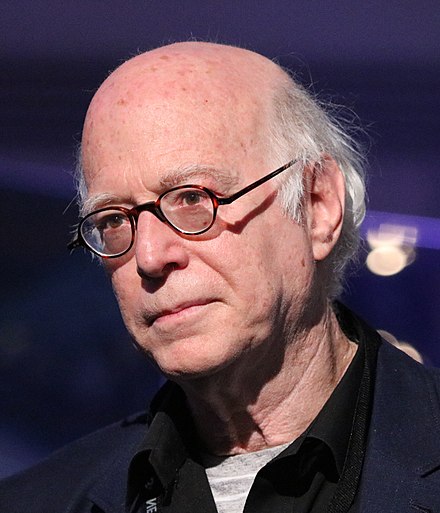
Richard Sennett
Sennett is working on a project called ‘Homo Faber,’ exploring material ways of making culture. The first book in this series is The Craftsman, published in 2008; subsequent volumes are Together: The Rituals, Pleasures, and Politics of Cooperation, published in 2012, and Building and Dwelling: Ethics for the City(2018) on the making of the urban environment
Howard Gardner
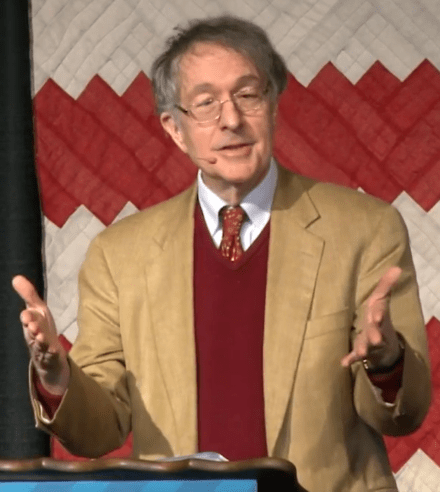
According to Gardner’s theory of multiple intelligences, humans have several different ways of processing information, and these ways are relatively independent of one another. The theory is a critique of the standard intelligence theory, which emphasizes the correlation among abilities, as well as traditional measures like IQ tests that typically only account for linguistic, logical, and spatial abilities. Since 1999, Gardner has identified eight intelligences: linguistic, logical-mathematical, musical, spatial, bodily/kinesthetic, interpersonal, intrapersonal, and naturalistic.[12]Gardner and colleagues have also considered two additional intelligences, existential and pedagogical.
Gareth Morgan
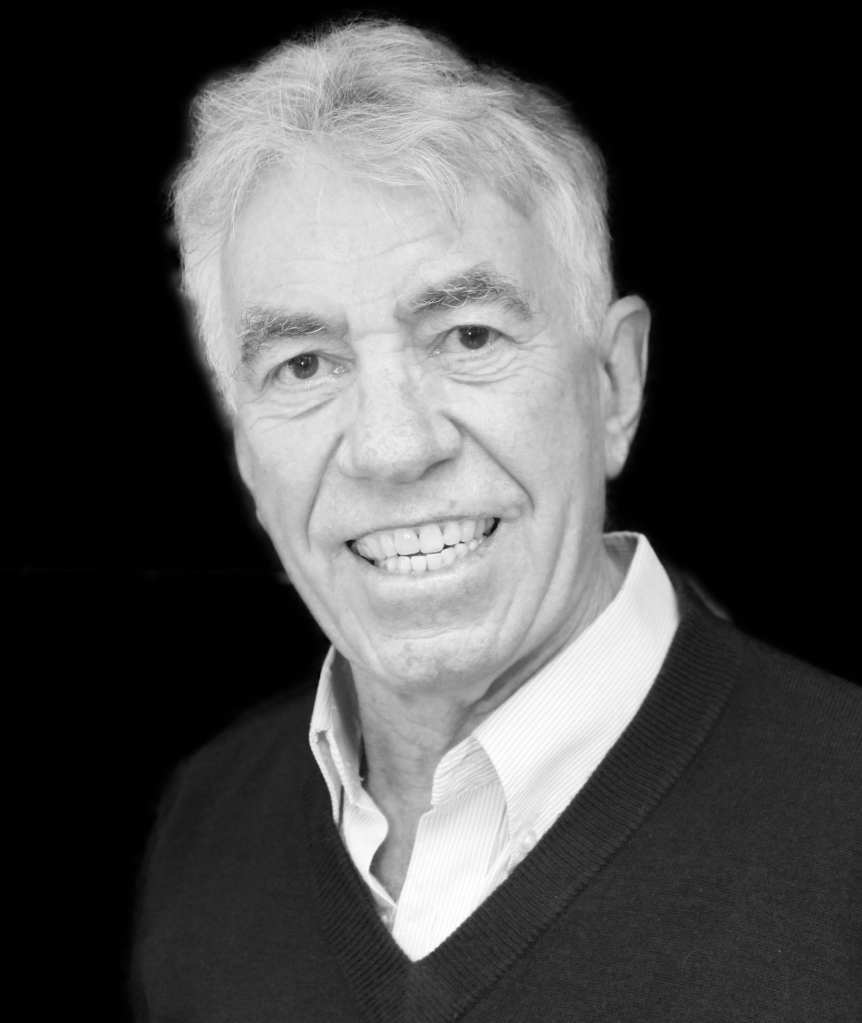
is a British/Canadian organizational theorist, management consultant and Distinguished Research Professor at York University in Toronto. He is known as creator of the “organisational metaphor” concept and writer of the 1979 book Sociological Paradigms and Organizational Analysis with Gibson Burrell and the 1986 best-seller Images of Organization.[1]

